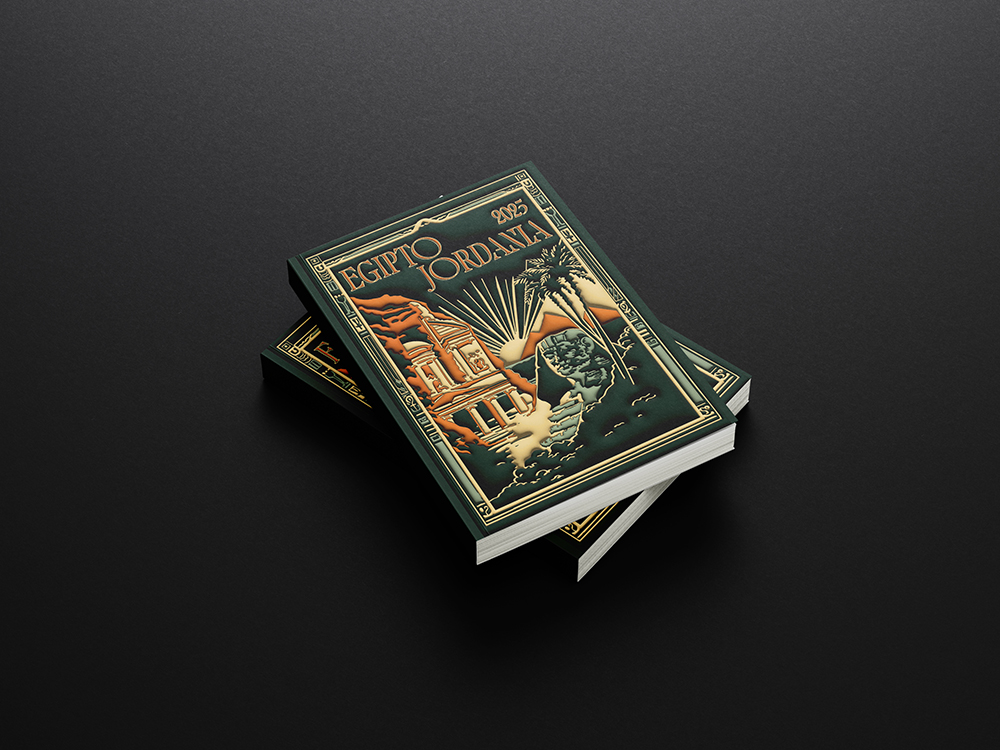
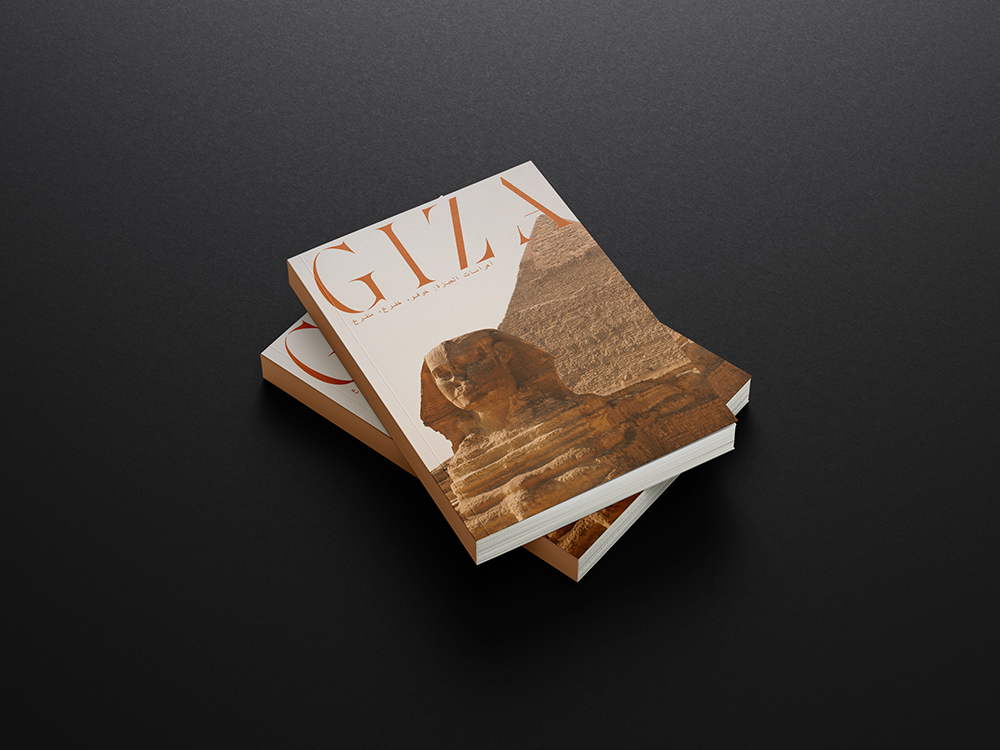
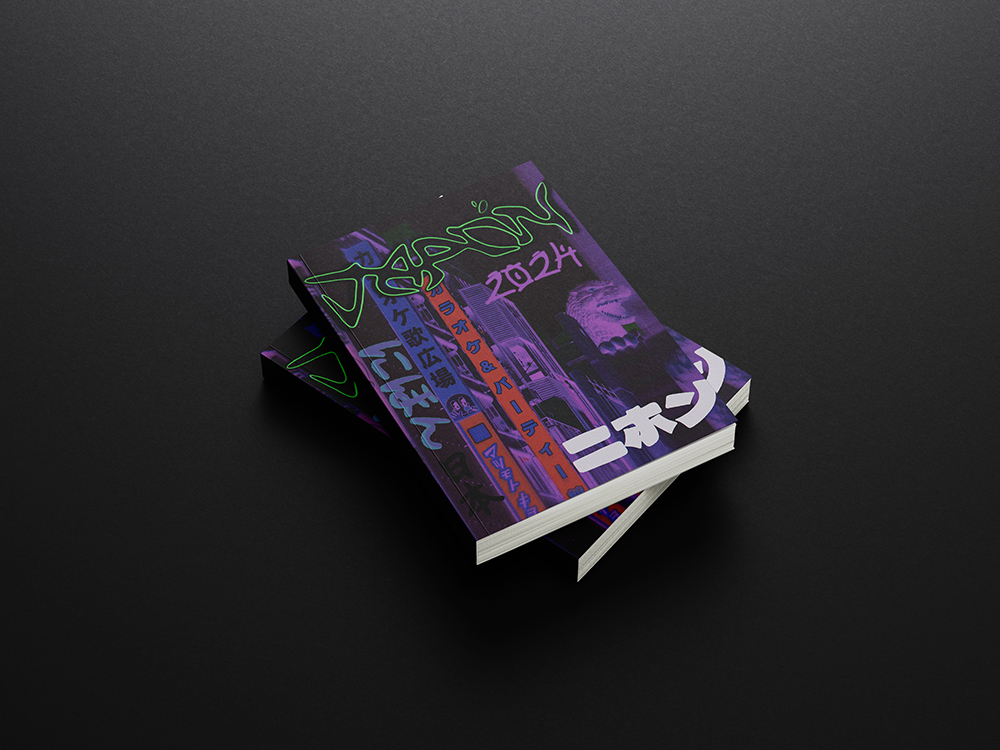
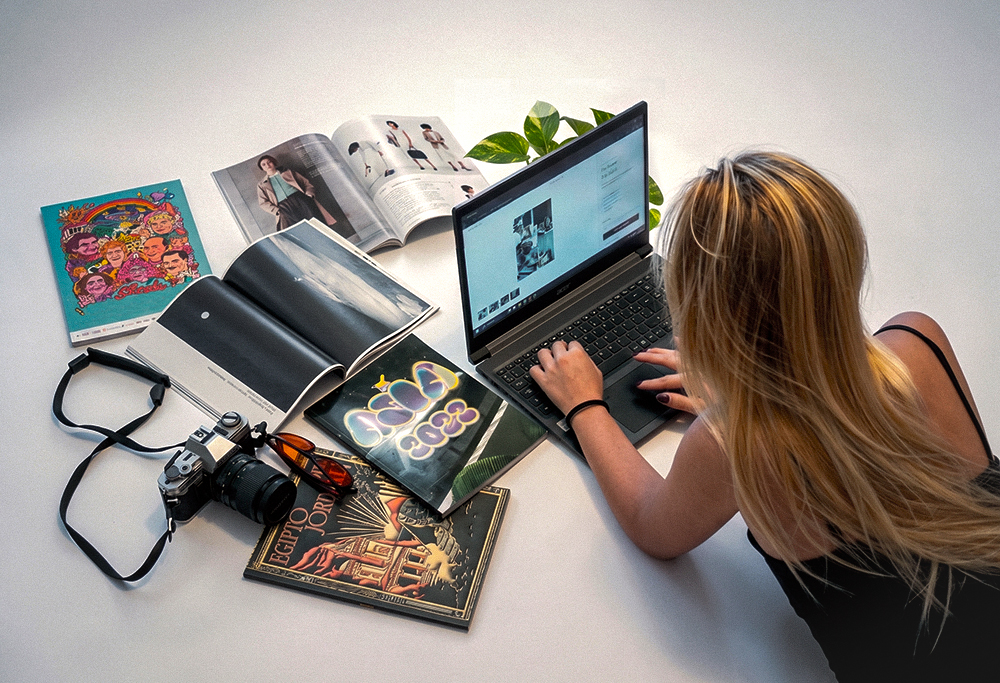
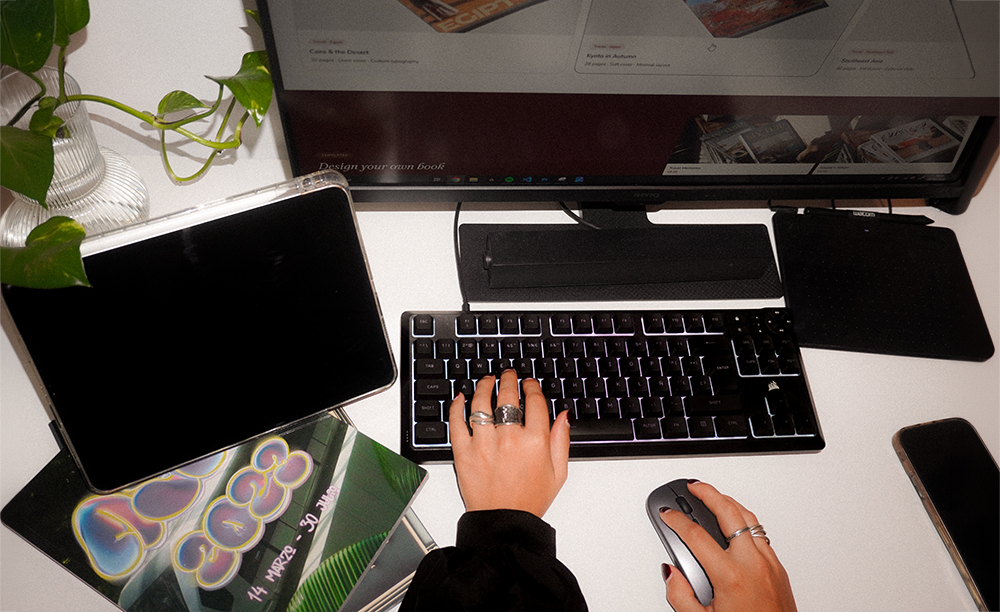
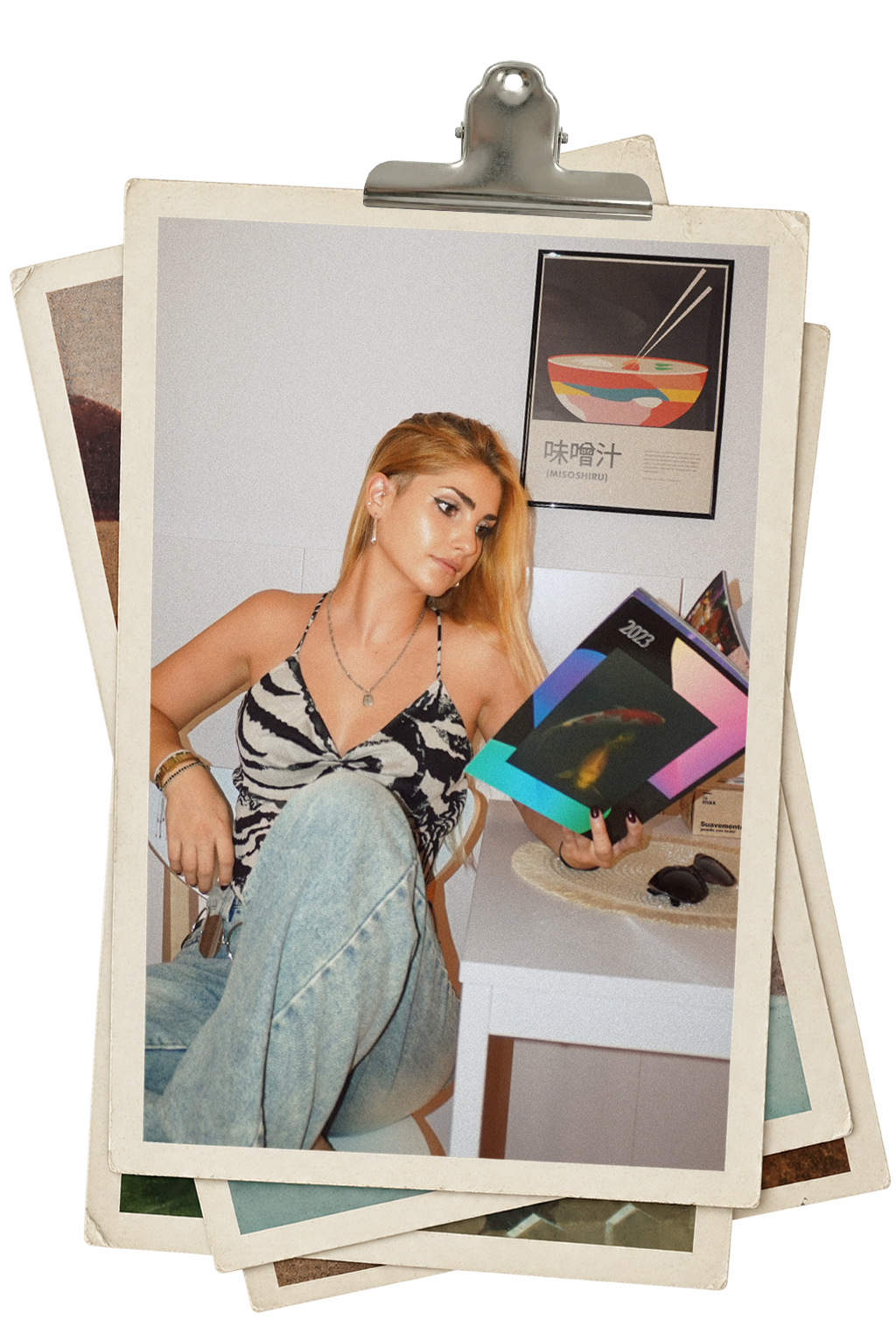
Custom photobooks designed by hand for your favorite memories. A design to turn your photos into a story that lasts.
Browse our collection, download a template that fits your style. Bring your story to life by personalising it with your own photos.
Send me your favorite photos and I'll design a one-of-a-kind photobook. Printed and shipped to your door.
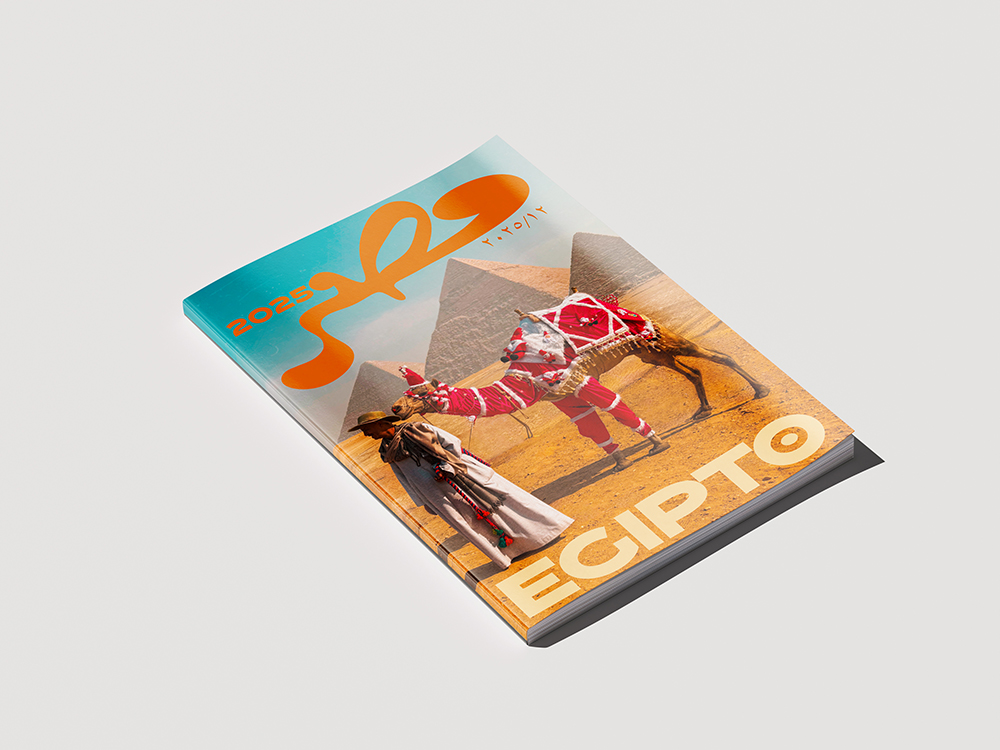
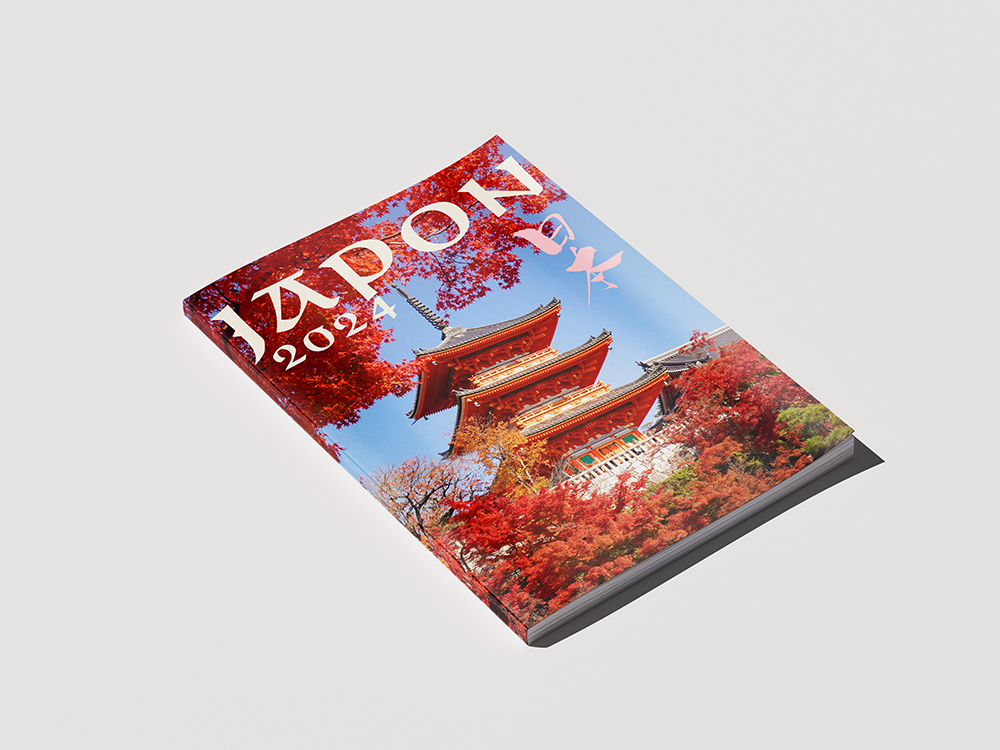
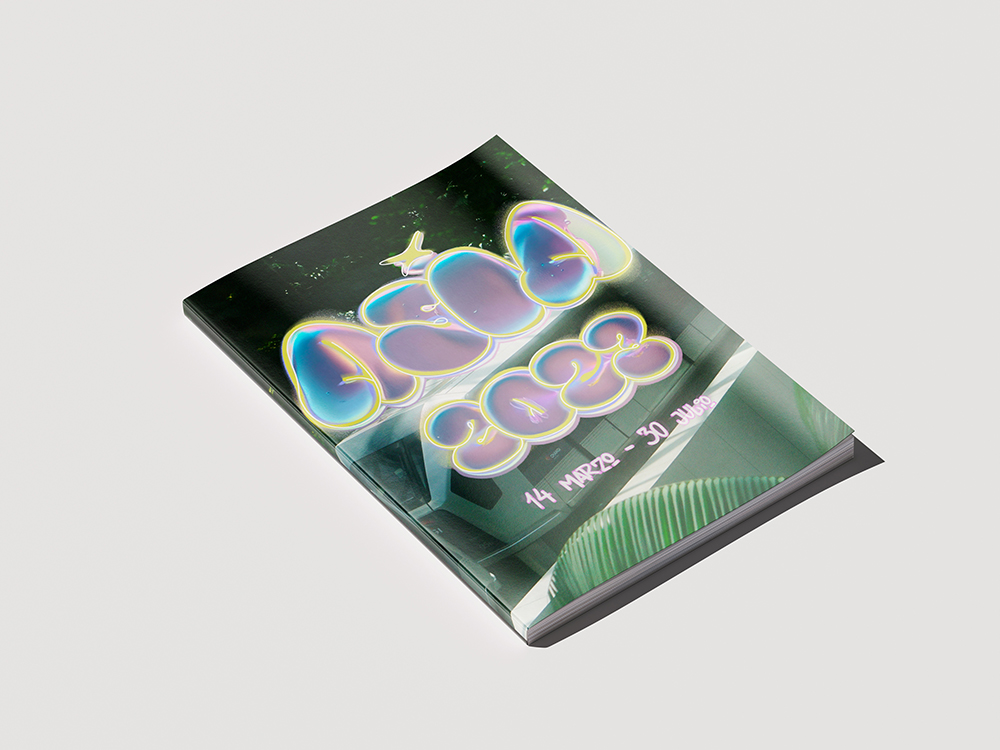
See how it worksA selection of custom books designed page by page for clients. Click any book to flip through its pages.
32 pages · Linen cover · Custom typography
28 pages · Soft cover · Minimal layout
40 pages · Hardcover · Editorial style
What I know about design comes from my years studying Fine Arts; what I know about the importance of memories comes from years on the road. That combination is what goes into every book I make.
Read my storyEvery commission is different. I design each book personally, page by page. Nothing is automated. Nothing is generic.
Request a commissionBoth options include personal design. The difference is in the final format.
Perfect for printing locally or keeping it digital.
Request this optionThe photobook in its final form.
Request this optionA €30 deposit is required to confirm your spot. I'll get back to you within 48 hours.
Fill this in and I'll get back to you within 48 hours. The more detail you give me, the better I can understand what you're looking for.
I'll reply within 48 hours. A €30 deposit confirms your spot; nothing is charged until we've spoken.
For the PDF option, around 60–80 works well. For the printed book, anywhere from 100 to 200. Send more than you think you need; part of my job is editing them down to the best ones.
Once I have all your photos and materials, design takes 1–2 weeks. For the printed book option, add 1–2 more weeks for printing and shipping. The full process is usually 2–3 weeks from start to finish.
That's what the revision rounds are for. I won't send a book to print until you're happy with it.
Yes. The printed book price of €120 includes shipping within Spain. If you're outside Spain, I'll calculate the shipping cost and let you know before you confirm.
Yes, additional copies of the same book are available at a reduced price. Ask me when you fill in the request form.
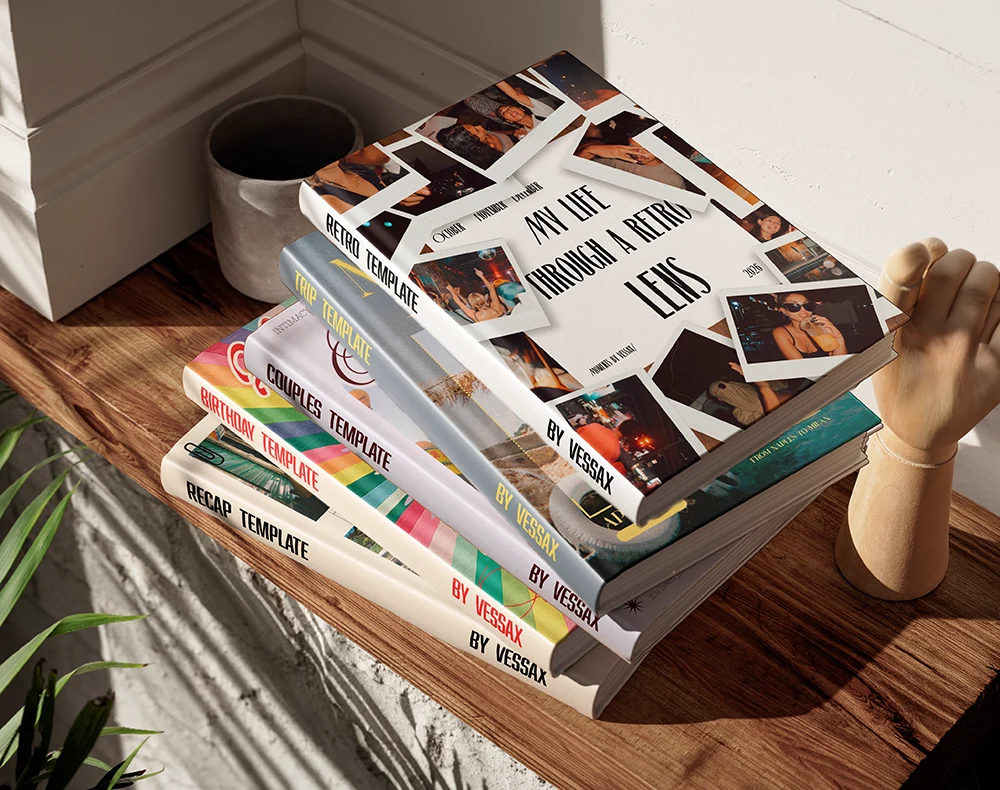
Browse our collection, download a template that fits your style. Bring your story to life by personalising it with your own photos.
Choose your style and purchase. You'll receive a Canva link instantly by email.
Click to open the link in Canva, create a free account if you don't have one. No Pro subscription is required.
Drop your photos into the frames and start building your story.
Export as PDF and print at any local or online lab.
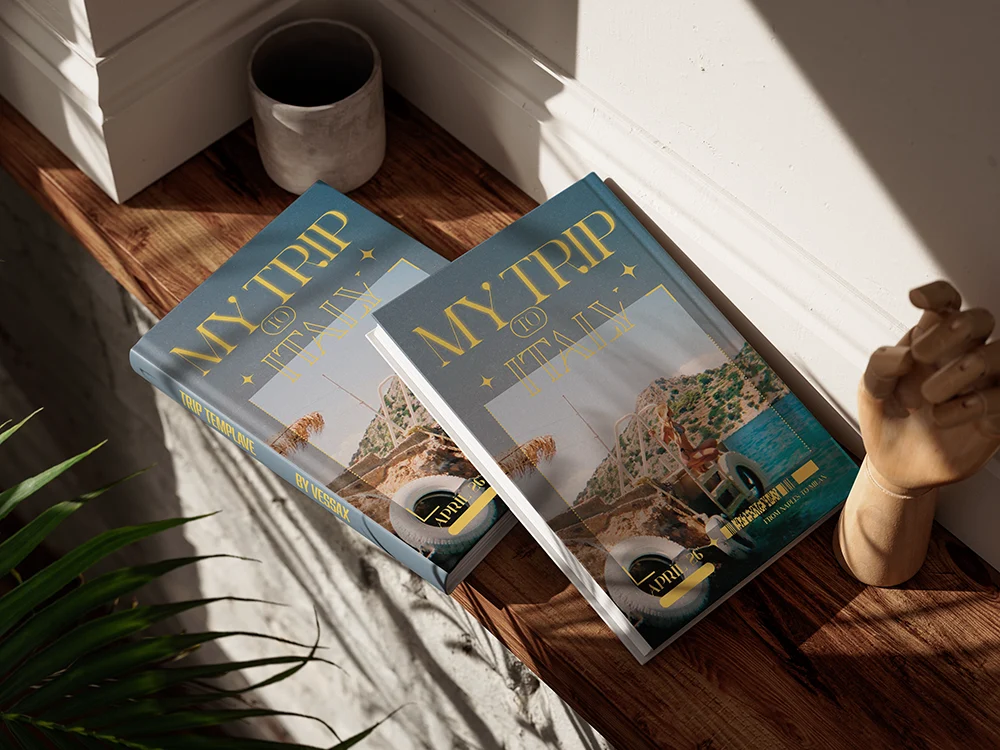
Your customizable travel journal.
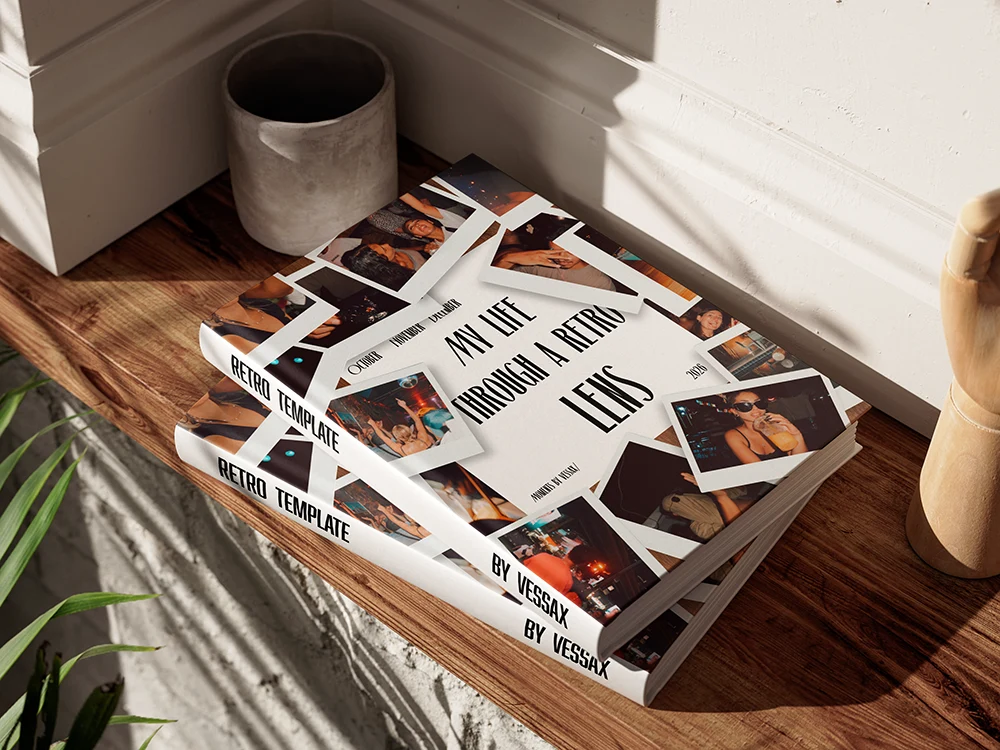
Moody, grainy layouts with a vintage film feel.
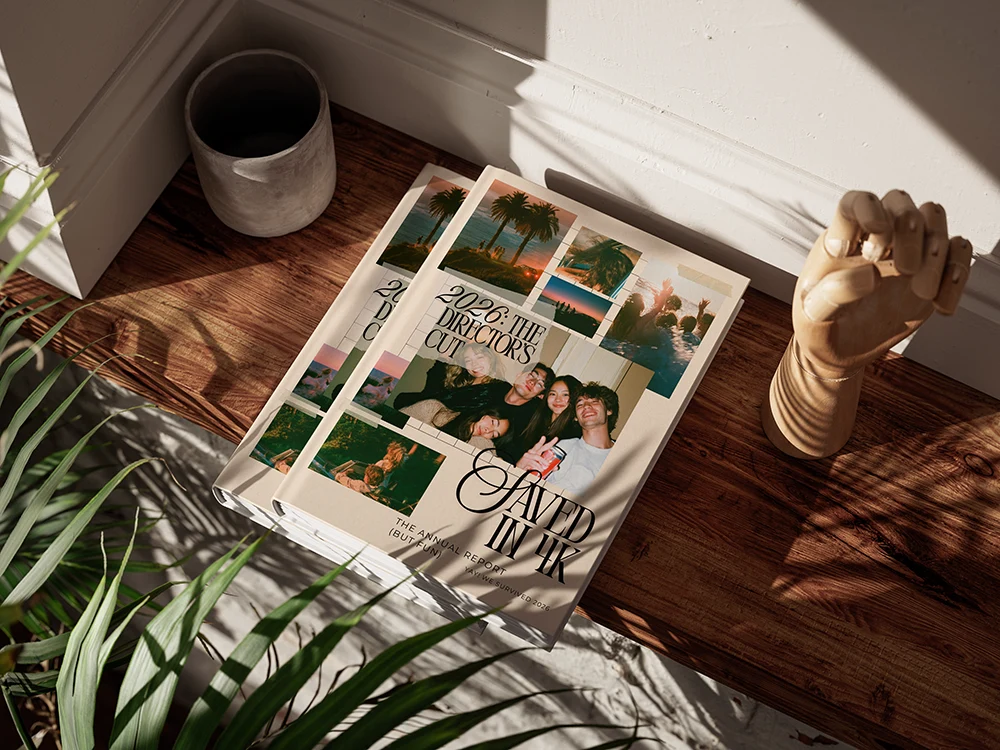
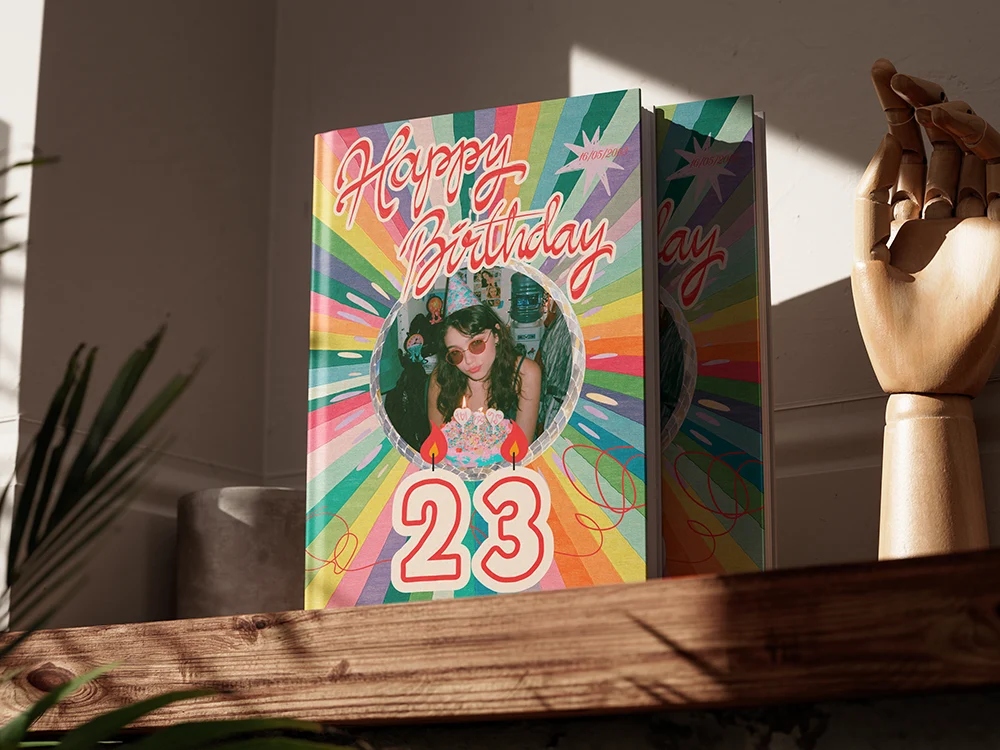
Warm, playful layouts made to capture birthdays and everyone who shows up to celebrate.
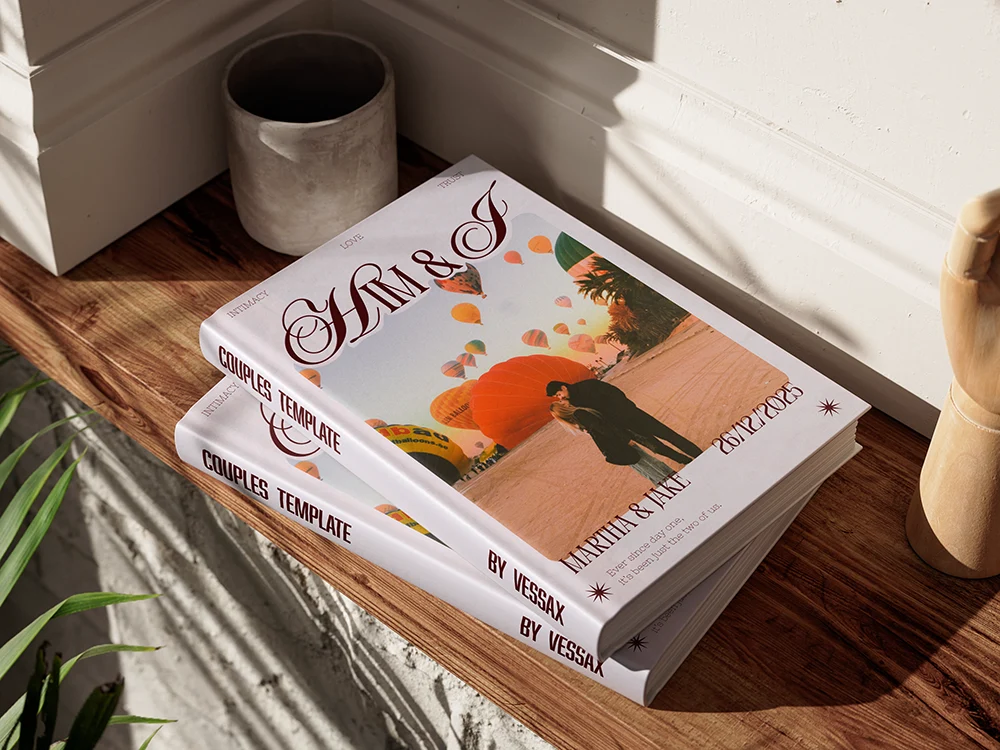
Our story in print. Perfect for weddings, anniversaries, and love stories.
The heavy archive.
Get all 5 templates at a reduced price. The complete Estratos collection.
Edit directly in your browser with a free Canva account. No design experience needed.
Step-by-step guide on how to edit, export and print your book at the best quality.
Export your finished book as a high-res print-ready PDF from Canva and take it anywhere.
No. A free Canva account is all you need to edit and export these templates.
Anywhere that accepts PDF uploads.
Each template includes 20 pages. You can duplicate pages in Canva to make it longer.
Yes, if you'd rather have me design the book for you personally, check out the Commissions page.
We spend so much of our lives scrolling, collecting hundreds of photos that we look at for a few seconds before moving on to the next.
In a world where images are consumed so quickly, I’ve always felt the need to do the opposite: slow down, create, and return to something tangible. That’s why I studied Fine Arts. I wanted to experiment with materials and turn ideas into something you could actually hold. I’ve always loved the process of getting my hands dirty, trying things, making mistakes, and slowly shaping an idea into something that, eventually, you can have right in front of you and hold.
Photography has always been part of that way of creating and experiencing the world. After university, I spent two years travelling and living abroad, moving through different places across Asia, Australia and North Africa. I took photographs everywhere I went: of the places I discovered, the people I met, and the everyday moments that made each place feel like home for a while. At the time, I thought taking those photographs would be enough to keep those experiences with me.
Looking back, I realise that what mattered most was never just the photograph itself, but everything that existed around it: the people, the places, the conversations, the small details and the feelings that made each moment worth remembering.
Today, I design photobooks for people who, like you, don’t want their best memories to get lost on a screen. I make books meant to be lived with: to feel the weight of the paper, leave them on the coffee table, share them with others, and return to them whenever you want to relive that feeling. Because, in the end, every book is about something much more important than the photographs inside it: a journey, a chapter of your life, a person, or a version of yourself you may one day want to revisit.
If you have a collection of photographs waiting to become something more, I’d love to hear your story and create a book with you. Because a project like this begins long before opening a design program. It starts with talking, remembering, and understanding the story you want to preserve.
If anything you’ve read here feels familiar, I’d love to hear from you.
Commission a bookDo you know one of the first things people try to save when they have to leave their home in a hurry? It's never the most expensive thing they own. When time runs out, we save our memory. Letters, diaries and, above all, photographs.
But what if the real danger isn't losing our photographs, but forgetting the story they hold?
For years I thought taking photos was enough to keep my memories. But I wasn't keeping them. I was piling them up somewhere I found it harder and harder to return to: the bottom of my camera roll.
As an artist, I've always been drawn to the relationship between time and memory; most of my work circles back to it. After university I travelled through different parts of the world and lived abroad for several years. I took hundreds of photographs: of the places, of the people I met, of moments I was certain, while they were happening, I would never forget.
I believed I could always go back to them. Instead, they turned into thousands of files I barely opened. I still recognised the places and the faces, but not always what had happened there, or why I had taken that photo at all. The images were still there. Part of the story wasn't.
I was saving them. But saving is not the same as remembering.
And that started to unsettle me. My photographs could sit there for decades while the stories behind them faded, until all that was left were images without context, something someone scrolls past with a thumb.
Everything shifted the day I asked my mother about the trips she took at university. She remembered the countries. But she couldn't rebuild the journey: which villages she passed through, which route she followed, who she was with, what small things happened along the way. She knew she had taken photographs, but her albums had been buried for years in some box or bag, in an old wardrobe in the garage; she wasn't even sure where. Over the years more things had piled on top, and those albums had become almost impossible to reach.
What struck me wasn't that she didn't know where the photographs were. It was realising that even if we found them, they couldn't give her back everything she had lived. The images had survived. What was missing were the memories that gave them meaning.
Then I understood the same thing could happen to me. I was doing exactly that, just in a different way: my photographs weren't buried in a wardrobe, they were hidden among thousands of files on my phone.
I didn't want to keep photographs. I wanted to keep the stories behind them.
So I started thinking about what I could do with the ones I already had. Not another album, but a book that could also hold the thoughts, the feelings, the small stories and the details that make a moment yours.
Opening a page and finding a photograph next to a train ticket, a stub, a scribbled note, a line about what happened that day. Not just seeing where I had been, but remembering what made it matter.
I wanted a visual diary I could hold, show and reopen years later. A book where the photographs weren't alone, but surrounded by everything that made those memories important. Something I could hand to a friend when they asked "so, how was your trip?", which years later would remind me not only what I lived, but how I lived it.
To turn that idea into something real, I had to learn how to build the book I had in my head. I studied editorial design and layout: testing compositions, combining photographs of different formats, working with space, finding the rhythm of a page.
I also learned to select and sequence images so that together they told a story. Slowly I understood that designing a photobook isn't about arranging beautiful pictures. It's about deciding what you want to remember, and how you want to tell it.
And the further I went, the clearer it became that I wasn't the only one with this problem. We take hundreds of photographs and store them on phones, hard drives, clouds. Taking a photo costs a second. Coming back to it can take years.
That's why I built this: to help other people turn their photographs into stories they can keep, share and look at again.
Because we don't always know which moments will end up mattering. Sometimes it's a big trip. Sometimes it's a house we lived in for a couple of years, a friendship that changes, or a version of ourselves we quietly leave behind.
Henri Cartier-Bresson said photography is putting your head, your eye and your heart on the same line. I think that, with time, a photograph can do something even harder: bring you back, for a second, to a moment you thought you had lost.
We can't stop time, and we can't stop our memory from changing. But we can decide what we want to keep, and how we want to return to it.
That's what I do with my photobooks: help you turn your photographs into something more than stored files. Into memories you can hold, show, share and open again whenever you want.
So think about the photographs sitting on your phone right now. Which ones tell a story you don't want to lose? And what would you need to keep alongside them, so that years from now you could remember not just what you saw, but everything you were living?
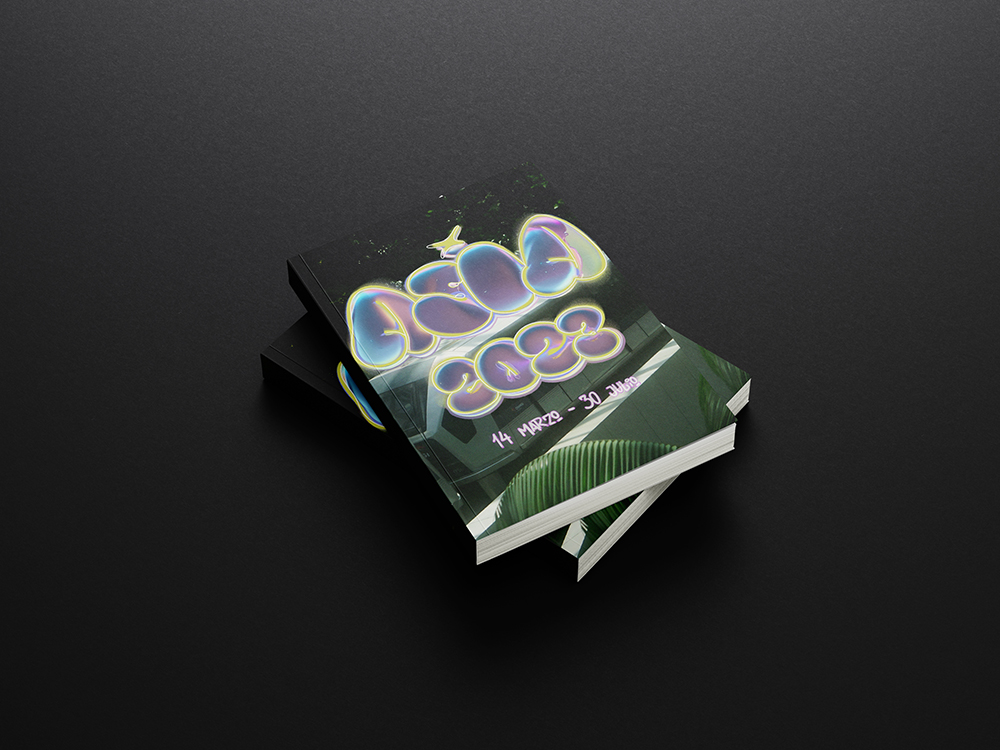
Everything I do comes from the same idea: a photograph on its own isn't a memory yet. It needs context, and somewhere you can actually return to.
Not just what the photos show, but what was happening. Who you were with, what you were thinking, the small details you'd forget in five years. That's what a photo can't hold on its own.
Hundreds of photos don't make a story. I go through all of them and we choose the ones that carry the memory. This is the hardest part, and the one that matters most.
Some images need a whole page. Others work as a small detail beside a ticket or a handwritten note. Space, order and pace are what turn a pile of images into something you can read.
Printed properly, on paper that lasts, in a book you'll actually leave out on a shelf, not one that ends up buried in a box in the garage. A memory you can't reach isn't really kept.
Whether you want to commission a book, have a question, or just want to say hi, I'd love to hear from you.
I respond to all messages within 48 hours. For commission requests, please use the commissions form for a faster reply.
Template description.
Your Canva link is delivered automatically after purchase.
Buy🔒 Secure checkout with Payhip. Direct link by email